PST2025 Industry Summit: reflections and key takeaways
August 31, 2025 · 7 min read · #research #conference #agentic-ai
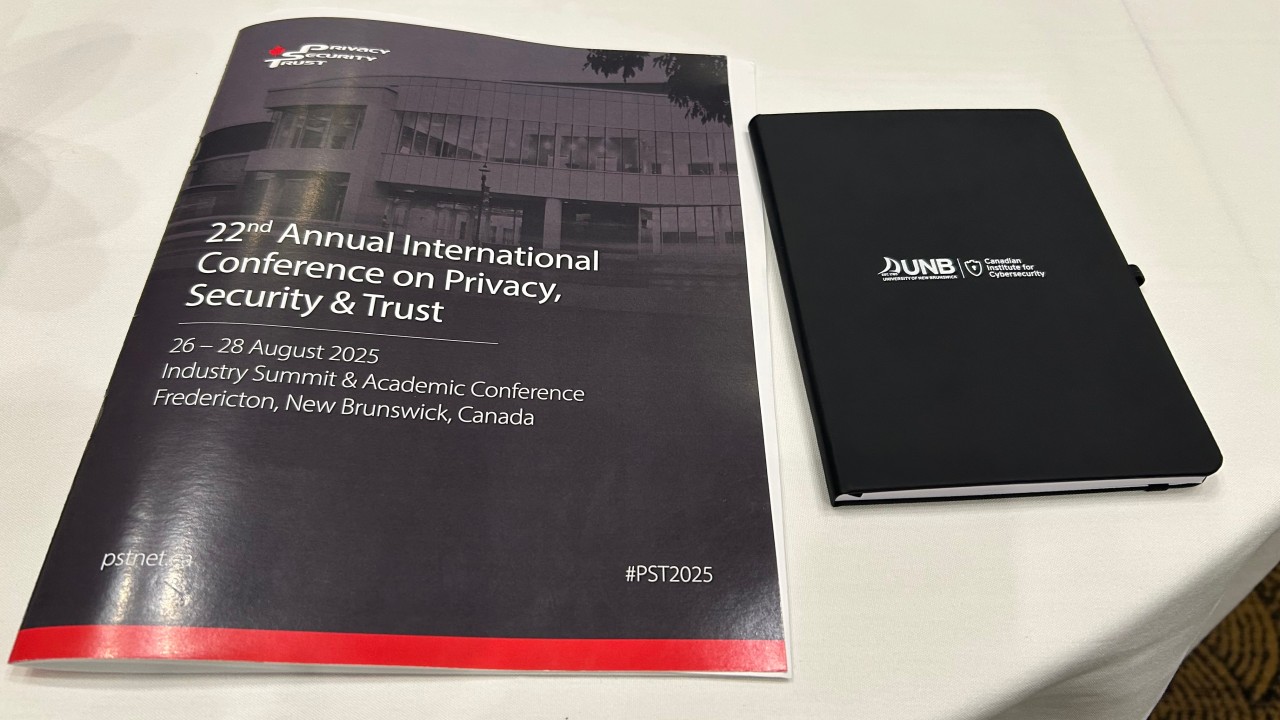
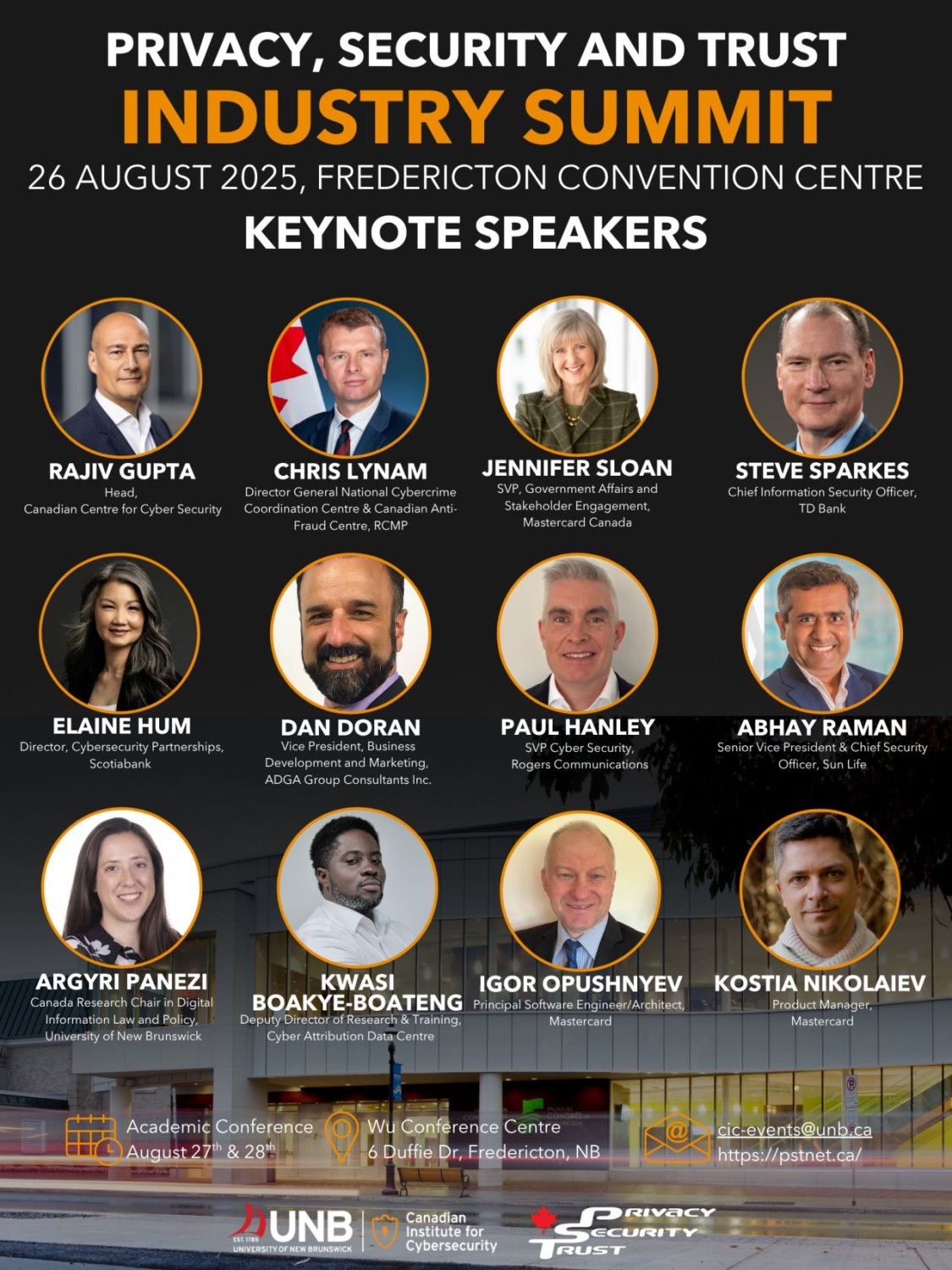
Proud to have attended the 2025 Privacy, Security and Trust Industry Summit at the Fredericton Convention Centre, hosted by the Canadian Institute for Cybersecurity at University of New Brunswick. Incredible lineup of keynote speakers included leading organizations like TD Bank, Scotiabank, Sun Life, Mastercard, and more, who all shared critical insights on the evolving digital threat landscape.
Disclaimer: The views and opinions expressed here are my own and do not represent those of any organization I am affiliated with. As a graduate researcher and engineer attending the 2025 Privacy, Security and Trust Industry Summit to present our recent publication, my reflections are shared purely from an academic and professional perspective.
Opening Addresses and Keynote Highlights
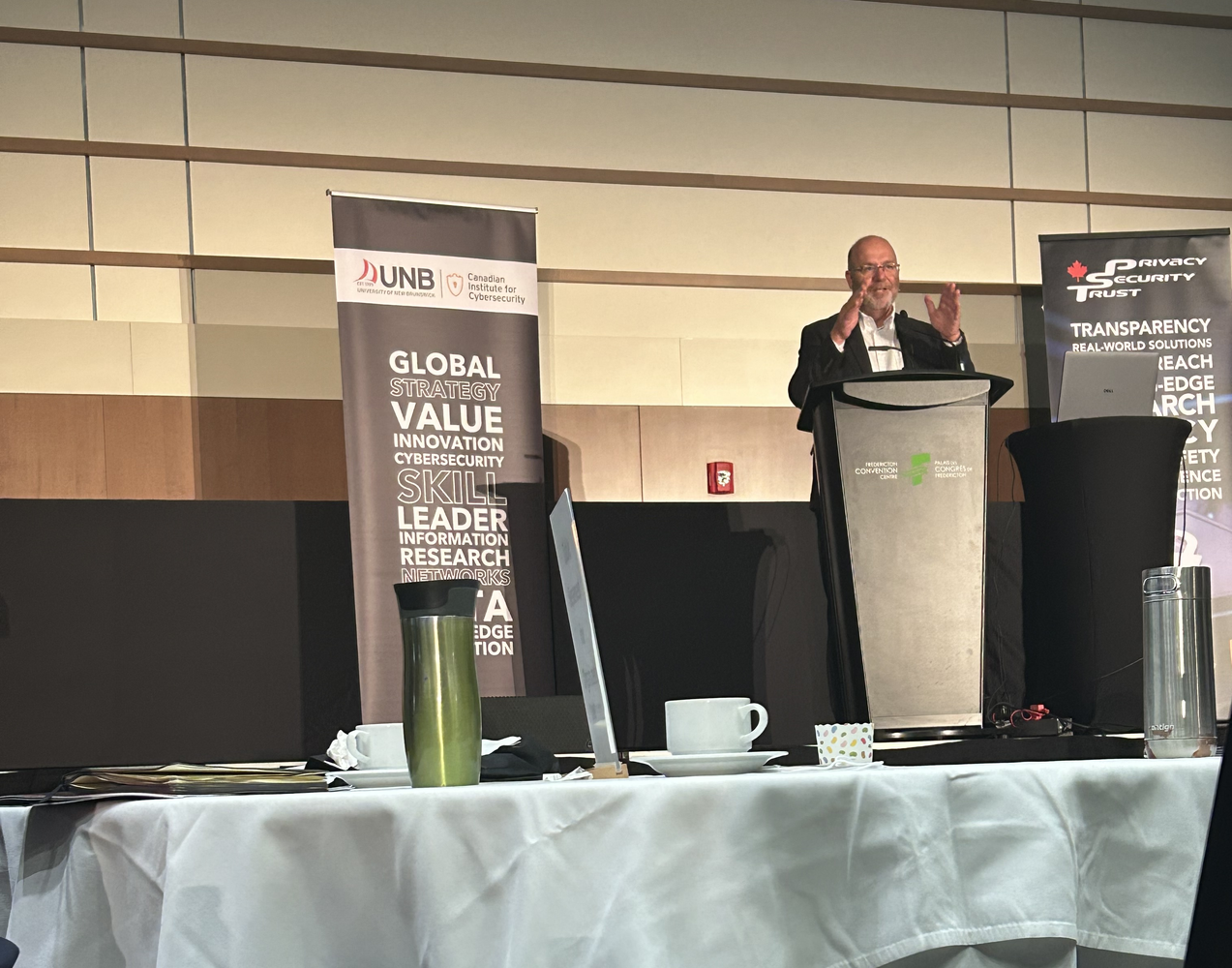
The event opened with a powerful keynote address delivered by Dr. Ali A. Ghorbani, Director of the Canadian Institute for Cybersecurity, accompanied by an outstanding team of interdisciplinary support staff, many of whom he acknowledged repeatedly throughout his remarks and afterwards. His leadership, expertise, and genuine gratitude left a strong impression on all in attendance. Dr. Paul Mazerolle, President and Vice-Chancellor of the University of New Brunswick, followed with a warm welcome that set the stage for distinguished government officials to address the gathering.
Insights from Federal Government Leaders
Tricia Geddes, Deputy Minister of Public Safety Canada | Sécurité publique Canada, and the Honorable Rene Legacy, Deputy Premier, Minister of Finance and Treasure Board, Minister of Energy for the Government of New Brunswick, spoke at length on critical issues surrounding cybersecurity, governance, and policy. It was truly inspiring to witness the genuine commitment of these national leaders to strengthening Canada’s cybersecurity landscape. The Honorable Dominic LeBlanc was also scheduled to speak on related matters but was called away to address urgent national issues.
National Efforts to Combat Cybercrime
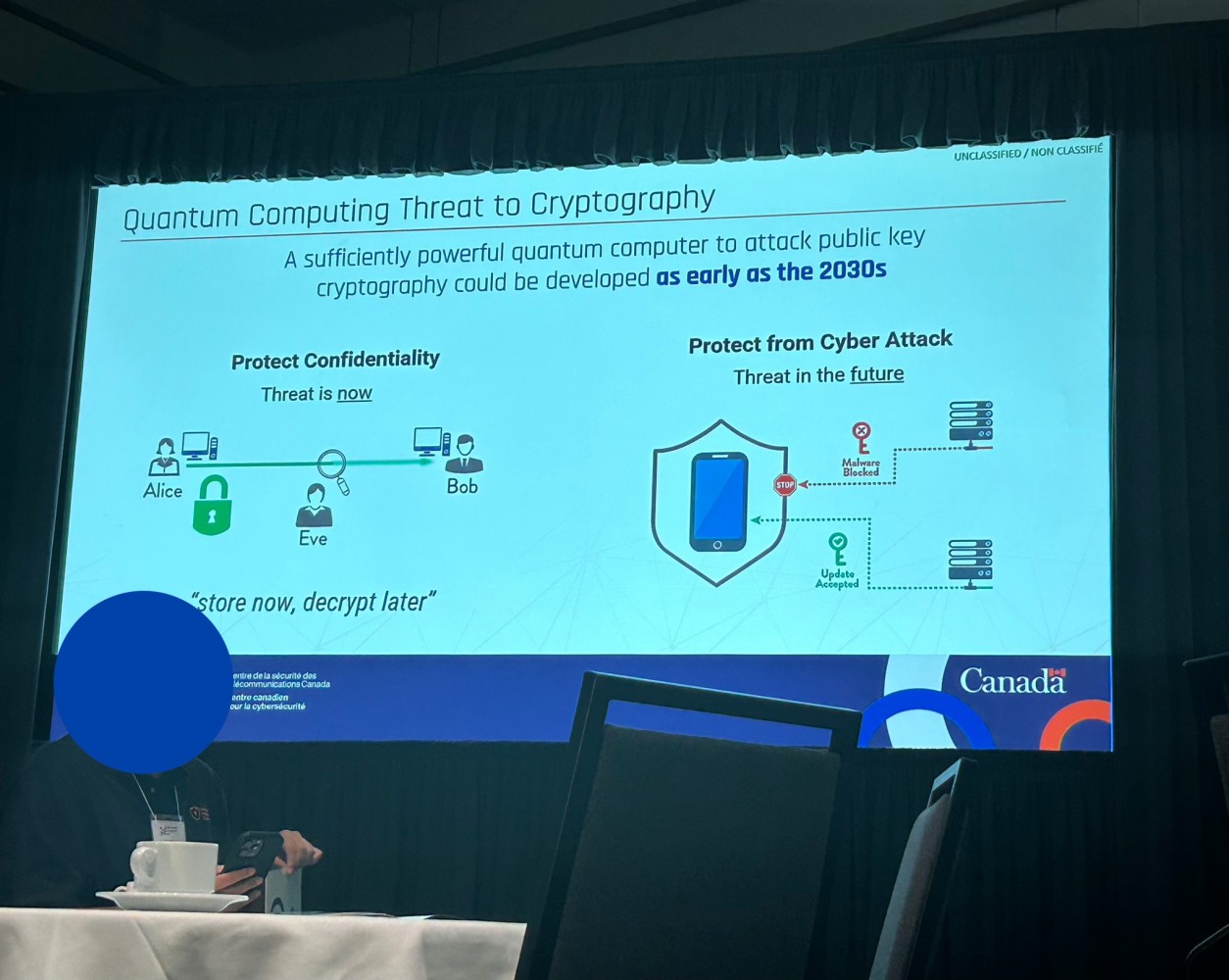
Rajiv Gupta, Director of the Canadian Cyber Centre, opened with key statistics underscoring the important work being done to support individuals, enterprises, and agencies across Canada. He went on to discuss multi-tiered security architectures used to address incidents, highlighted several unique attacker threat models, and touched on issues of quantum readiness along with the national efforts underway in this area.
Chris Lynam, Director General of the National Cybercrime Coordination Centre and the Canadian Anti-Fraud Centre (RCMP), together with Colin MacSween, Director General of National Cyber Security at Public Safety Canada | Sécurité publique Canada, provided insights into major operations and campaigns aimed at combating cybercrime. They outlined both independent and joint initiatives and presented provincial statistics that shed light on specific security incidents and trends across the country.
Mastercard’s Role in Advancing Cybersecurity
Jennifer M Sloan, Kostia Nikolaiev, and Igor Opushnyev spoke extensively on critical issues such as cyber attribution, residential proxy detection, and the evolving threat models of emerging AI-powered attacks. Mastercard's strong commitment to advancing cybersecurity excellence was evident as they highlighted key partnerships with the Cyber Attribution Data Center at the University of New Brunswick. During the panel discussions, Kostia Nikolaiev drew on his deep product engineering expertise to unpack complex issues surrounding cyber attribution and related challenges. His insights were consistently practical, strategic, and deeply impactful.
EMCEES and event coordination
The event featured several nutrition and networking breaks, giving attendees the opportunity to recharge, connect, and engage meaningfully. Special thanks go to Dr. Samita Bai, Ph.D. and Griffin Higgins, who emceed the entire summit and ensured that the appreciation award presentations, along with the overall event schedule, ran seamlessly and efficiently. The outstanding success of the #PST2025 Industry Summit was made possible in no small part by their selfless dedication and tireless efforts.
TD Bank on AI Risk, Governance, and Security
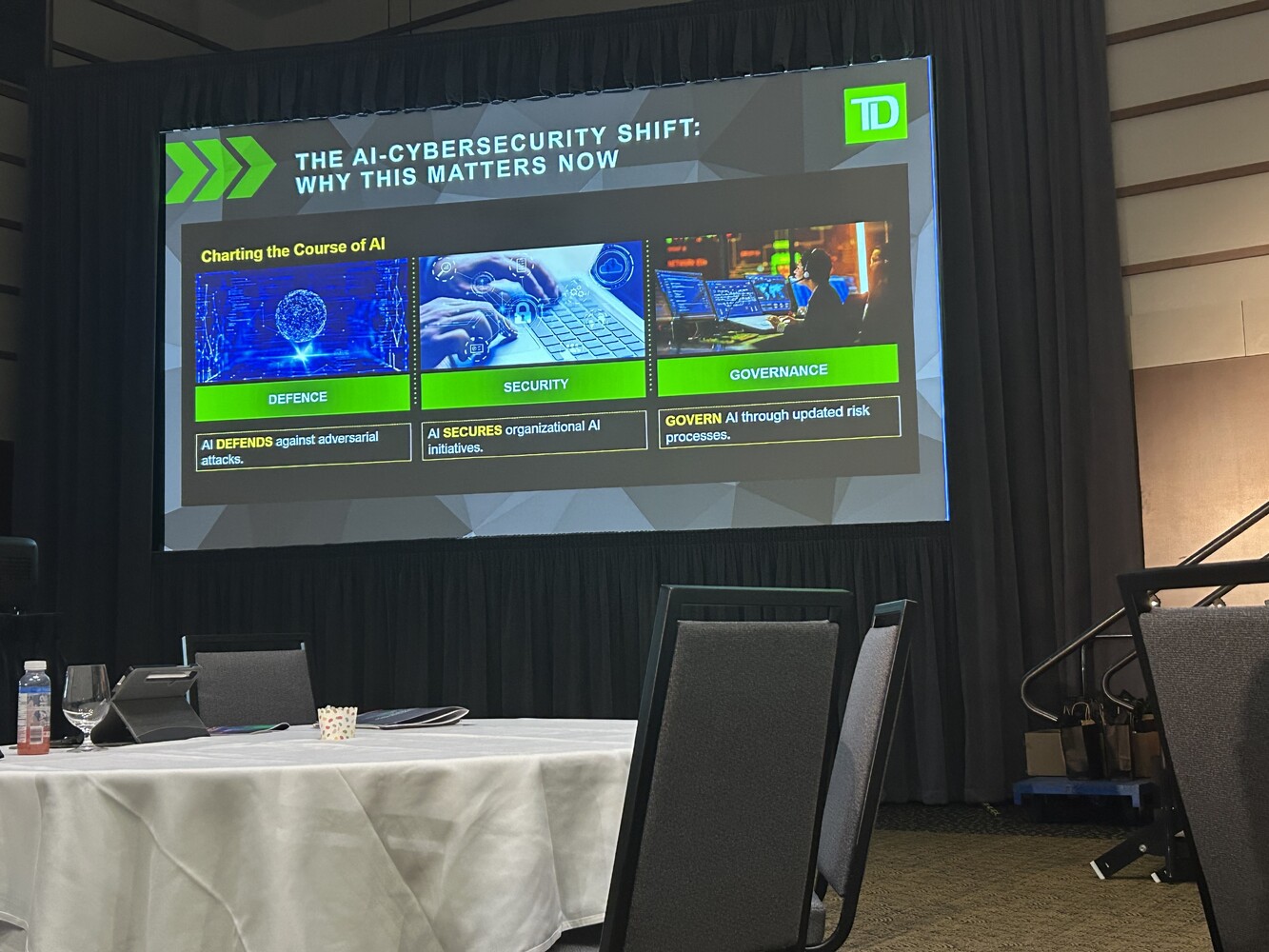
Stephen Sparkes, Chief Information Security Officer and Pamela E. Simpson, M.A., GCTI, CISSP, AI Business Information Security Officer, representing TD Bank, delivered an in-depth discussion on AI as a threat amplifier. Their session covered pressing issues such as large-scale social engineering, deepfakes, model jailbreaking, supply chain vulnerabilities, and defensive AI strategies including automated red teaming and security testing for AI systems. They also introduced novel architectures for governing AI and its lifecycle, offering strategic recommendations such as implementing a RACI matrix and applying a Capability Maturity Model to track project progress. Importantly, they addressed key Agentic-AI risk frameworks, including the CSA MAESTRO Framework and the NIST AI RMF. Hearing these industry leaders unpack such complex challenges from a real-world, enterprise perspective was both enlightening and thought-provoking, sparking meaningful conversations among attendees.
Rogers Communication
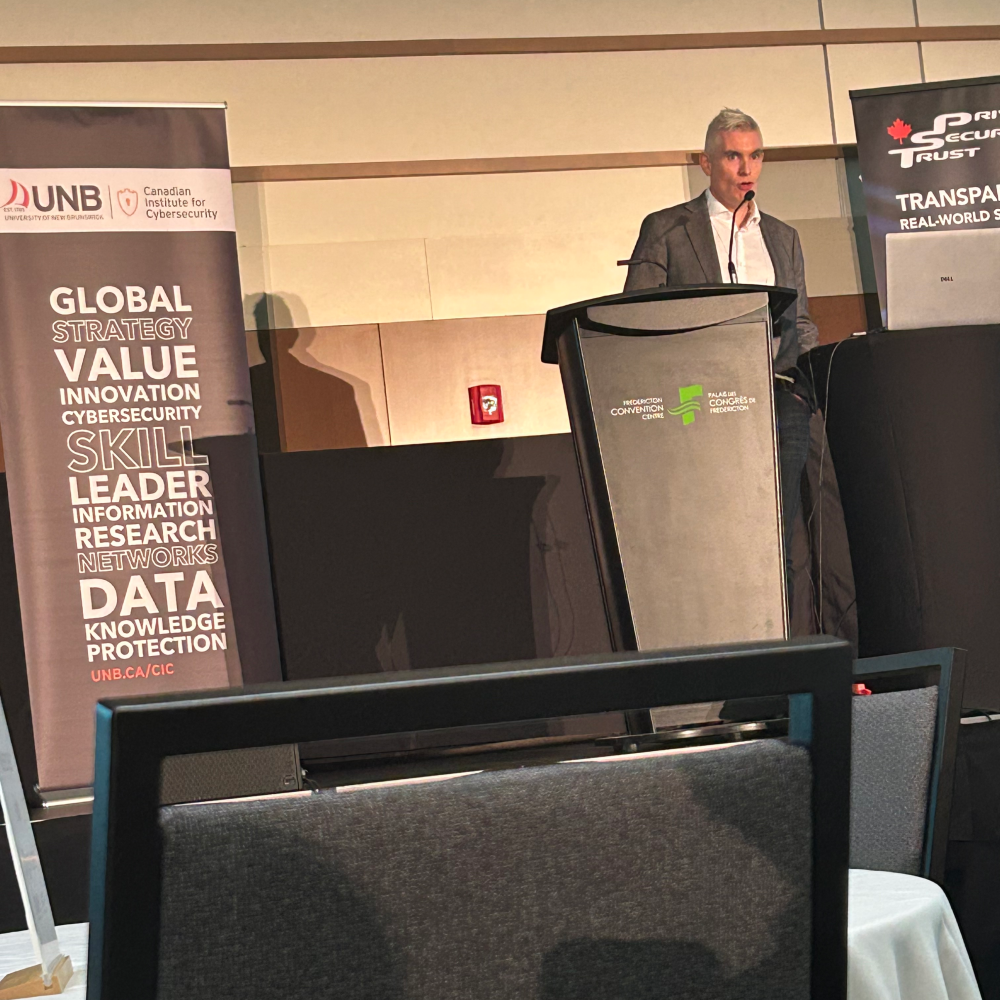
Paul Hanley, Senior Vice President of Cyber Security at Rogers Communications, opened with a broad overview of today’s cyber risk landscape, highlighting issues such as ransomware (including Fatboy Ransomware), extortion attacks, the growing prevalence of targeted threats, and the role of the dark web and underground marketplaces.
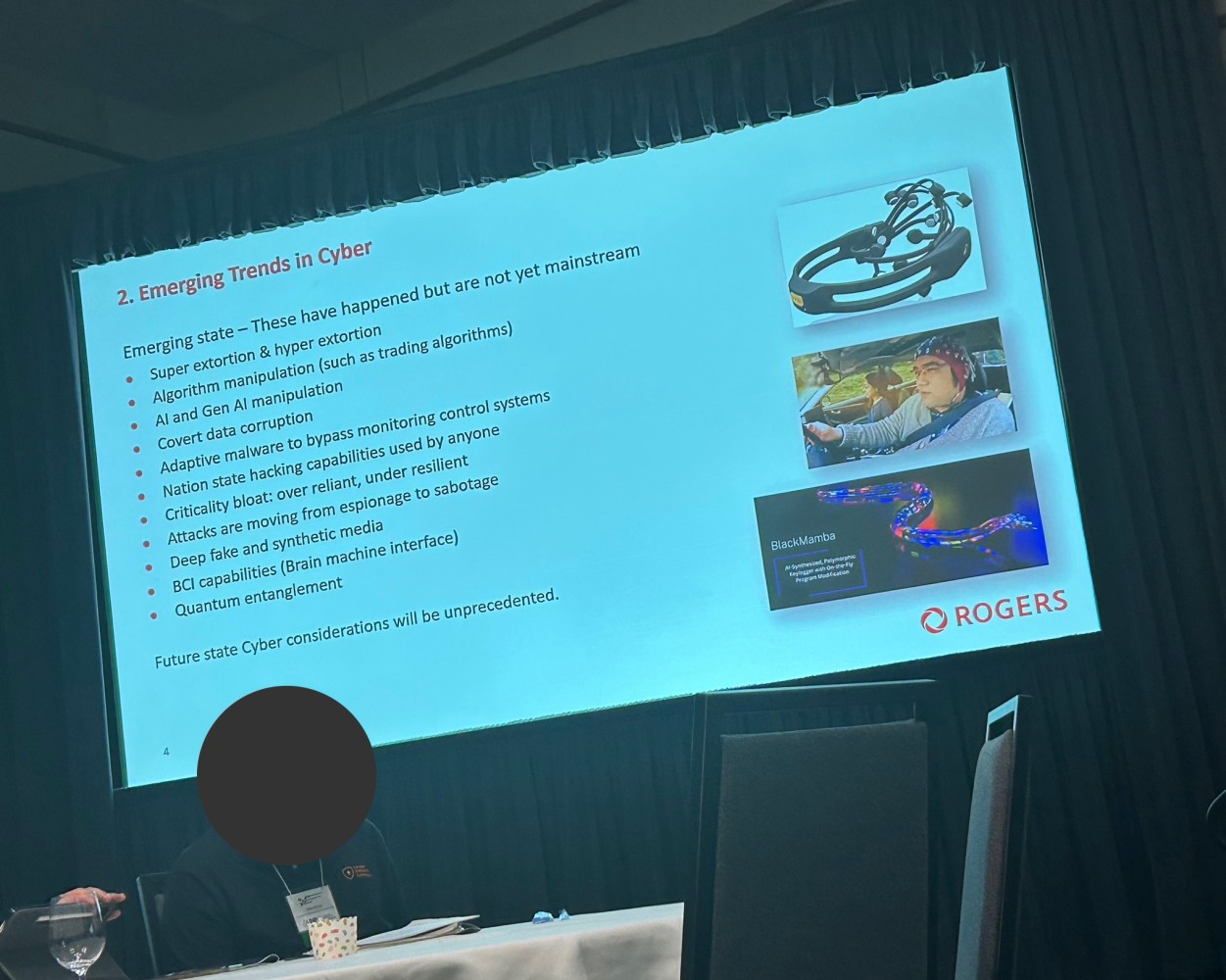
He then explored emerging trends in cybersecurity, including:
- AI and Gen AI manipulation
- Covert data corruption
- Adaptive malware to bypass to bypass defenses
- Quantum entanglement risks
- Deepfakes
- Super and hyper-extortion
- …and several others
His depth of expertise was evident throughout, as he skillfully combined technical insight with humor to make increasingly complex security issues and trends both accessible and engaging.
Cyber Attribution and Panel Discussions
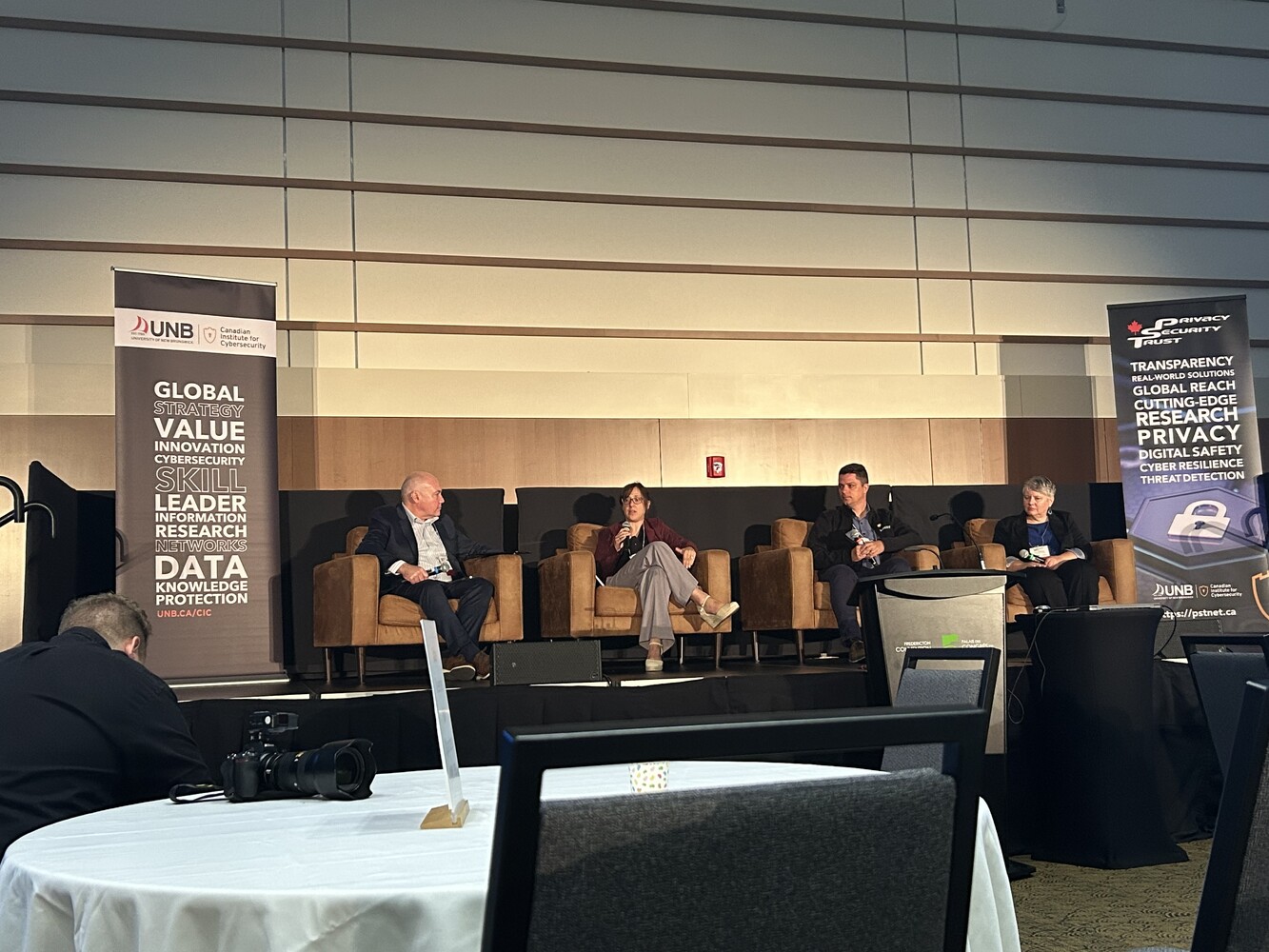
Dr. Argyri Panezi, Canada Research Chair in Digital Information Law and Policy at the University of New Brunswick, addressed critical issues surrounding cyber attribution, its various classifications, and its inherently interdisciplinary nature. Her expertise as a seasoned legal scholar proved invaluable, particularly during the panel discussions, where she used clear legal analogies to unpack complex questions, ensuring they were thoroughly examined and accessible to the diverse international audience.
Kelly Anderson, Director of International Cyber and Critical Technology Policy at Global Affairs Canada, delivered insightful remarks on key diplomatic challenges. She skillfully unpacked the complexities of cyber attribution, highlighting its profound implications for political, technical, and international actors alike.
Dr. Kwasi Boakye-Boateng, Deputy Director of Research and Training at the Cyber Attribution Data Center (CADC), presented the groundbreaking work being undertaken by the Canadian Institute for Cybersecurity to address industry challenges in cyber attribution. He highlighted the use of deceptive networking systems, internet monitoring, and expert threat intelligence, and introduced a comprehensive framework while also candidly discussing key challenges in the field.
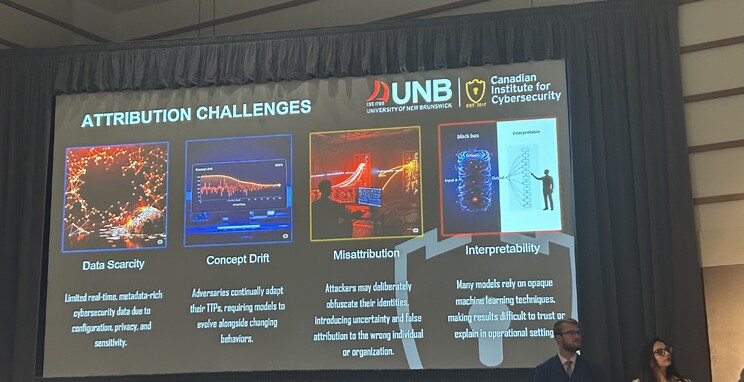
Dr. Ahmed Al-Rawi also contributed significantly to the panel, speaking at length on a range of attribution-related issues. His extensive use of practical examples and references to key sources resonated strongly with attendees, bringing clarity and depth to complex debates and striking at the heart of attribution challenges across multiple levels.
Cyber Mentorship and Leadership
Elaine Hum, Director of Cybersecurity Partnerships at Scotiabank, shared her personal journey in cybersecurity and the unique path she forged through her work alongside CISOs. Her story was both motivating and memorable, culminating in a lighthearted moment where she donned a superhero cape, sparking laughter and smiles while underscoring the power of leadership and mentorship in the field. The same spirit of inspiration and practical insight mirrored the energy I witnessed earlier this year during her presentation at the Federation of Security Professionals’ Security Conference, hosted by RBC.
Industry Perspectives from Leading Companies
Dan Doran, Vice President of Business Development and Marketing at ADGA Group, delivered an insightful talk on the importance of engaging top-level business executives through carefully tailored executive language and communication techniques.
Abhay Raman, Senior Vice President and Chief Security Officer at Sun Life, addressed targeted risk management challenges and proactive security strategies, with particular focus on emerging issues in Agentic-AI powered systems.
Awards Ceremony
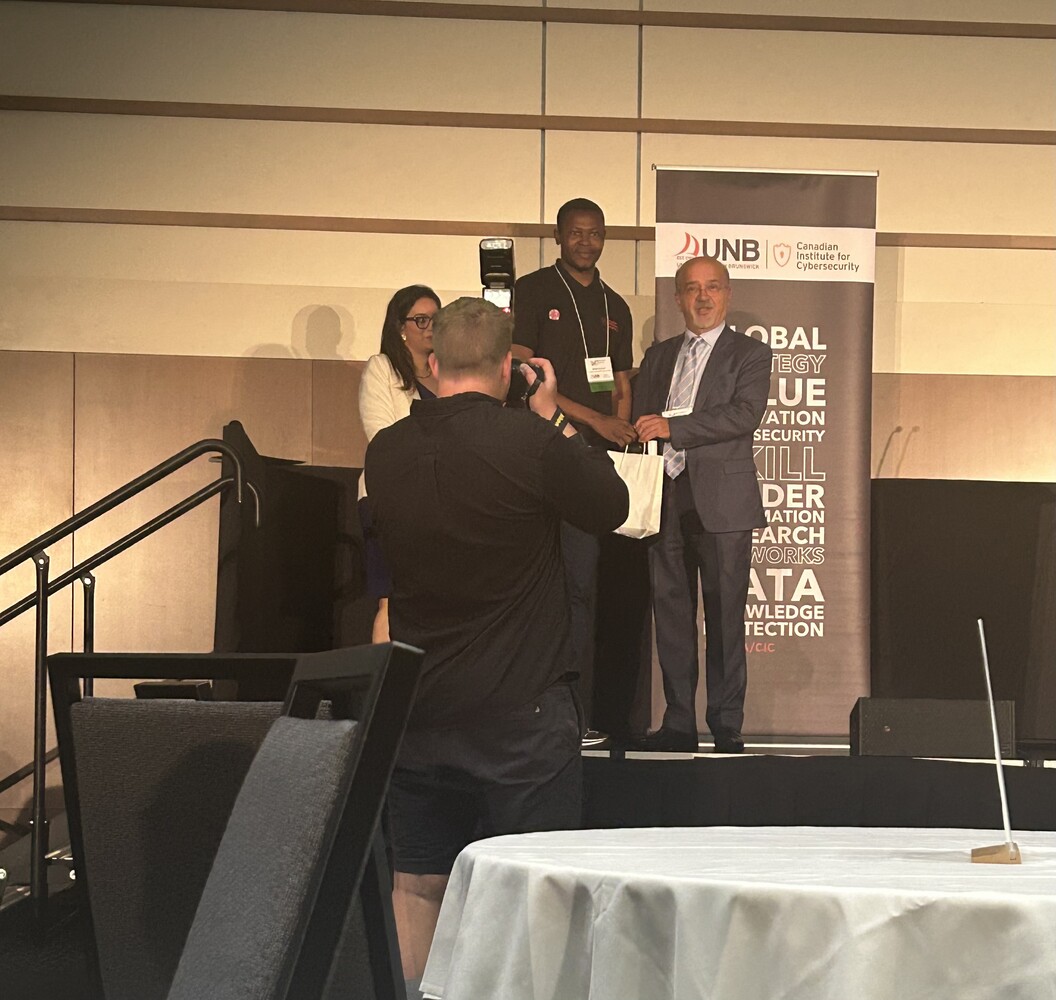
As part of the summit, distinguished researchers from academia showcased posters highlighting unique projects being conducted across various universities and faculties. These presentations were enriched by engagement with guests, visiting scholars, and fellow presenters, sparking meaningful discussions around innovative research. To conclude, an awards ceremony was held where four research groups were recognized for their outstanding contributions and achievements.
Farewell Message
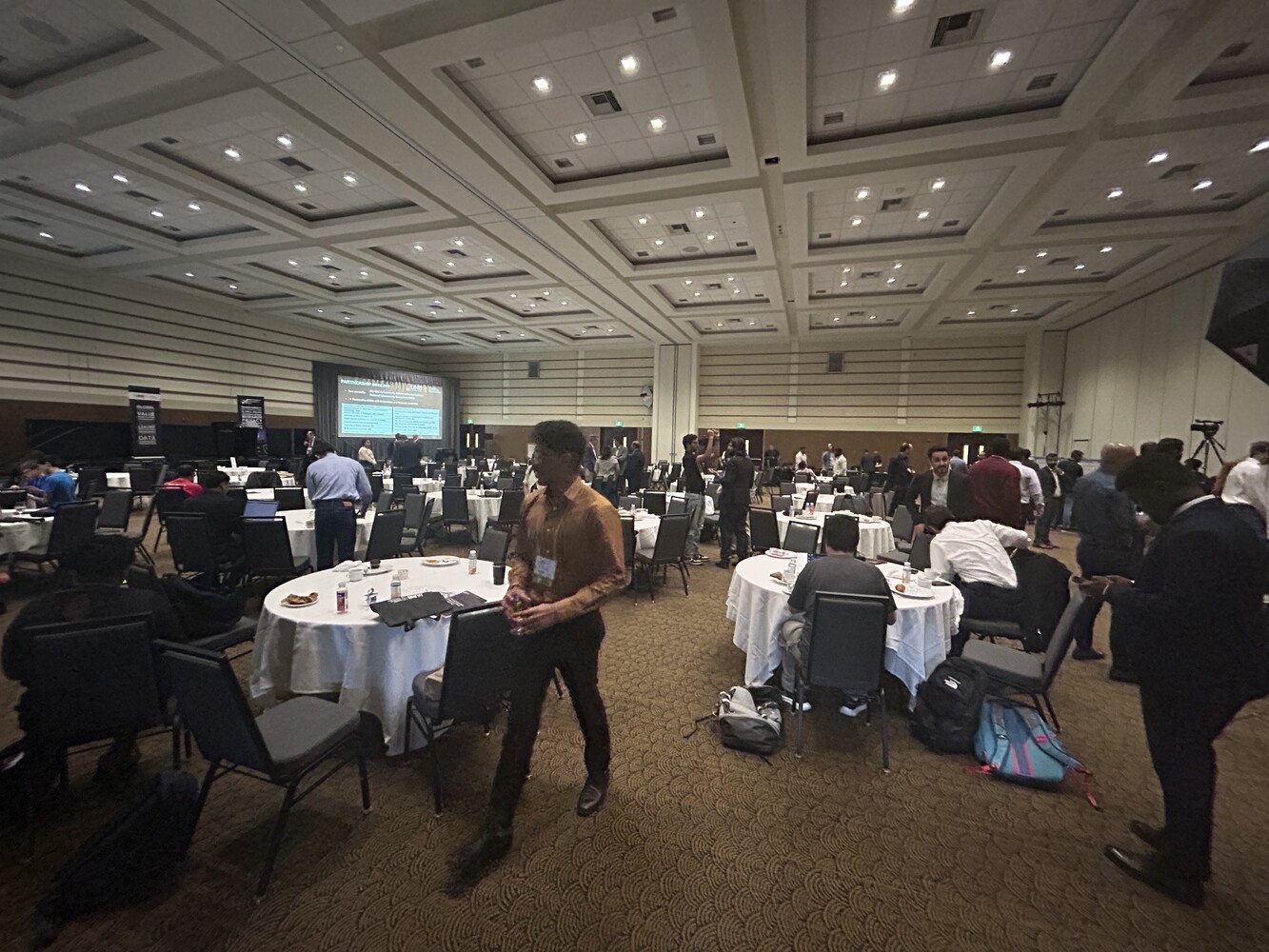
It was an absolute honor to attend the #PST2025 Industry Summit. I thoroughly enjoyed the event, from the insightful keynotes and panel discussions to the vibrant networking sessions that connected industry, academia, and government leaders.
By way of introduction, my name is Aghoghomena Akasukpe, a systems & full-stack engineer and graduate researcher at Ontario Tech University. I build the infrastructure under AI agents and ship full-stack product, and my research adds rigor to that work. I had the privilege of presenting our accepted paper, “A Per-Bag Suspicion-Based Bagging Strategy for Fighting Poisoning Attacks in Classification”, which proposes novel defense strategies against data poisoning attacks in machine learning systems.
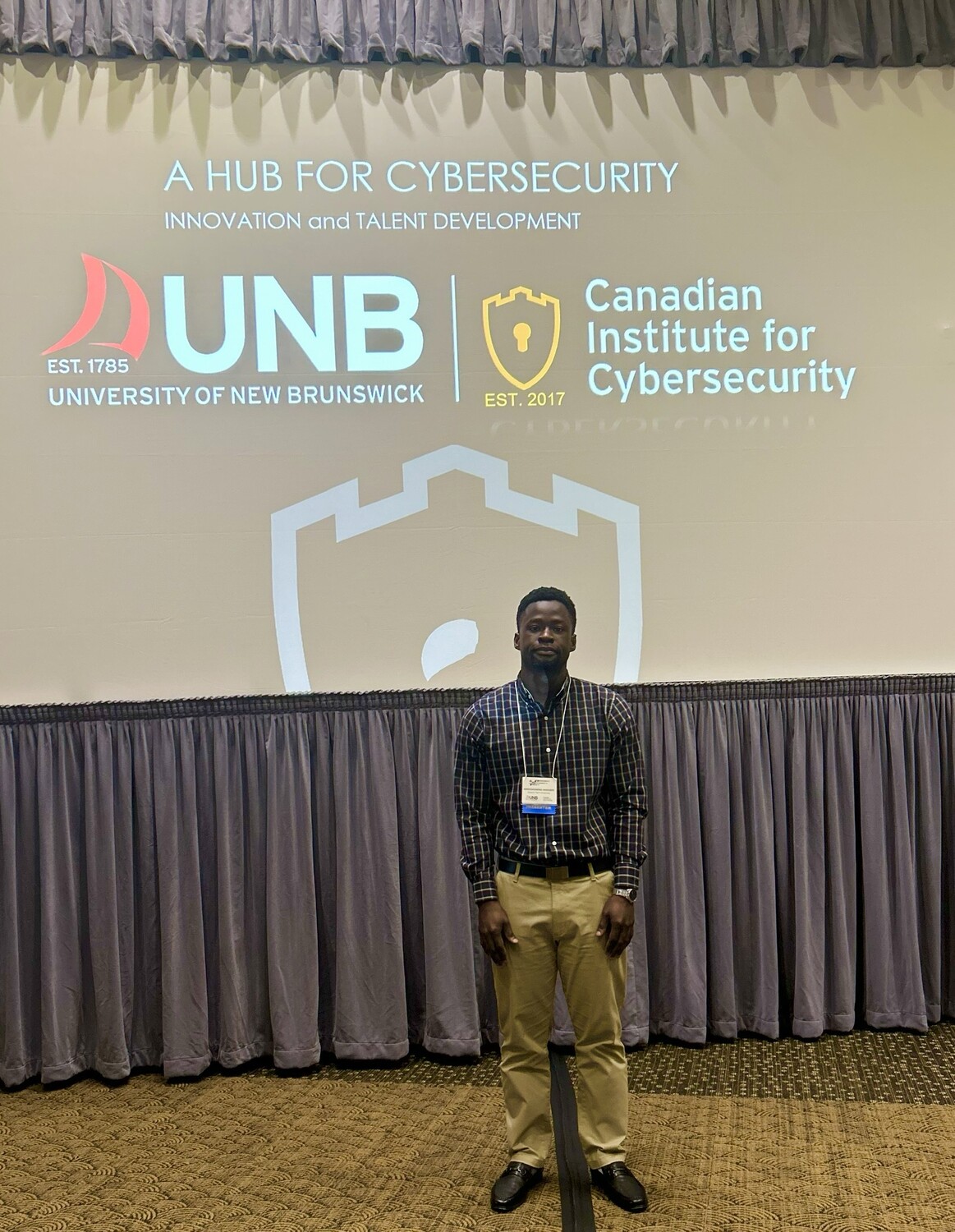
The summit was an incredibly inspiring experience, and I leave even more motivated to contribute to advancing cybersecurity and AI safety. My sincerest gratitude goes to the organizers, speakers, and fellow researchers who made the event impactful and memorable.