Content-based recommendation system with Django and scikit-learn
April 30, 2024 · 1 min read · #django #machine-learning #python
In this article we will explore how we can utilize Django, Django Rest framework TF-IDF Vectorization, Scikit-learn and Cosine Similarity, to build a fully functional Recommendation system.
Propsed Recommendation model:
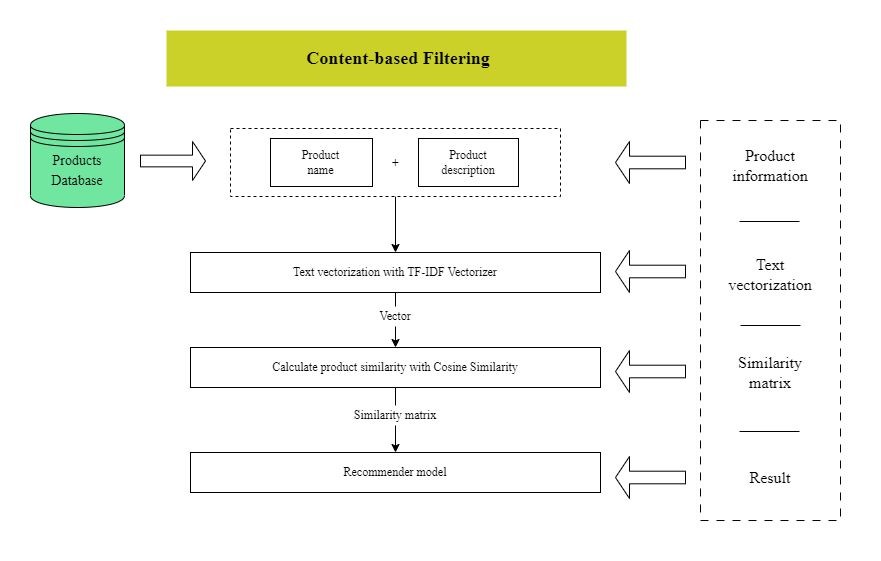
Tools to be used:
- Django
- Scikit-Learn
- Pandas / Numpy
- Django Rest Framework
- Pickle (For storing the cached model)
Side Note 1: Link to Github for the completed project - Here
Side Note 2: Link to research paper - Here
Prerequisites:
You should have the following setup:
- >= Python3.10 Learn more
- Docker (Optional)
- Pipenv (Installation and Learning Resource)
First Steps:
Firstly we setup our Virtual environment using
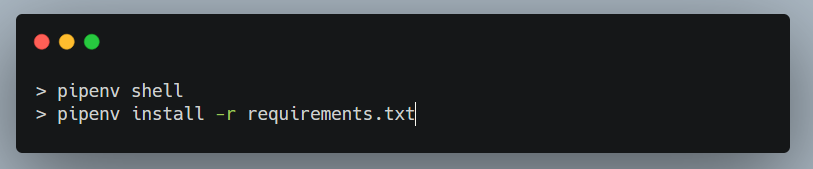
Below is the requirements.txt
asgiref==3.6.0
cachetools==4.2.4
certifi==2022.12.7
charset-normalizer==3.1.0
dj-database-url==1.2.0
Django==4.1.7
django-cors-headers==3.14.0
django-filter==22.1
django-googledrive-storage==1.6.0
django-pandas==0.6.6
djangorestframework==3.14.0
google-api-core==2.10.2
google-api-python-client==2.86.0
google-auth==1.35.0
google-auth-httplib2==0.1.0
googleapis-common-protos==1.59.0
gunicorn==20.1.0
httplib2==0.22.0
idna==3.4
itsdangerous==2.1.2
joblib==1.2.0
numpy==1.24.2
pandas==1.5.3
Pillow==9.4.0
protobuf==4.22.4
psycopg2-binary==2.9.5
pyasn1==0.5.0
pyasn1-modules==0.3.0
pyparsing==3.0.9
python-dateutil==2.8.2
python-dotenv==1.0.0
pytz==2022.7.1
requests==2.30.0
rsa==4.9
scikit-learn==1.2.1
scipy==1.10.1
six==1.16.0
sqlparse==0.4.3
threadpoolctl==3.1.0
tzdata==2023.3
uritemplate==4.1.1
urllib3==2.0.2
whitenoise==6.4.0
After that we setup Django using:
django-admin startproject ecommerce
Next we create a new app using:
django-admin startapp recommender
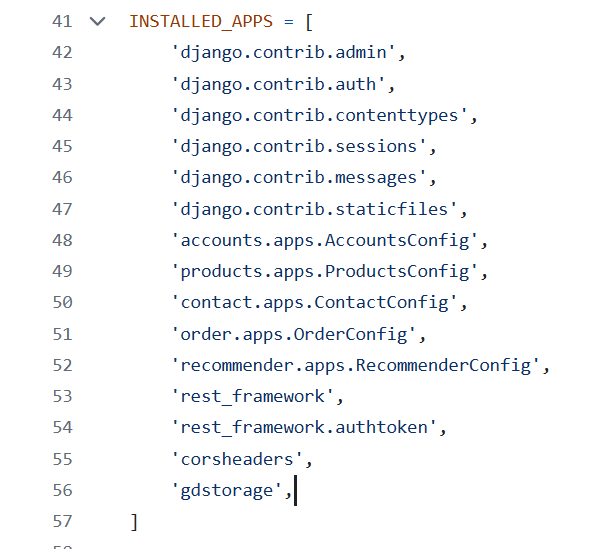
Next we setup the app in our ecommerce/settings.py
Lets create a recommender/models.py file and include the below content (File Here):
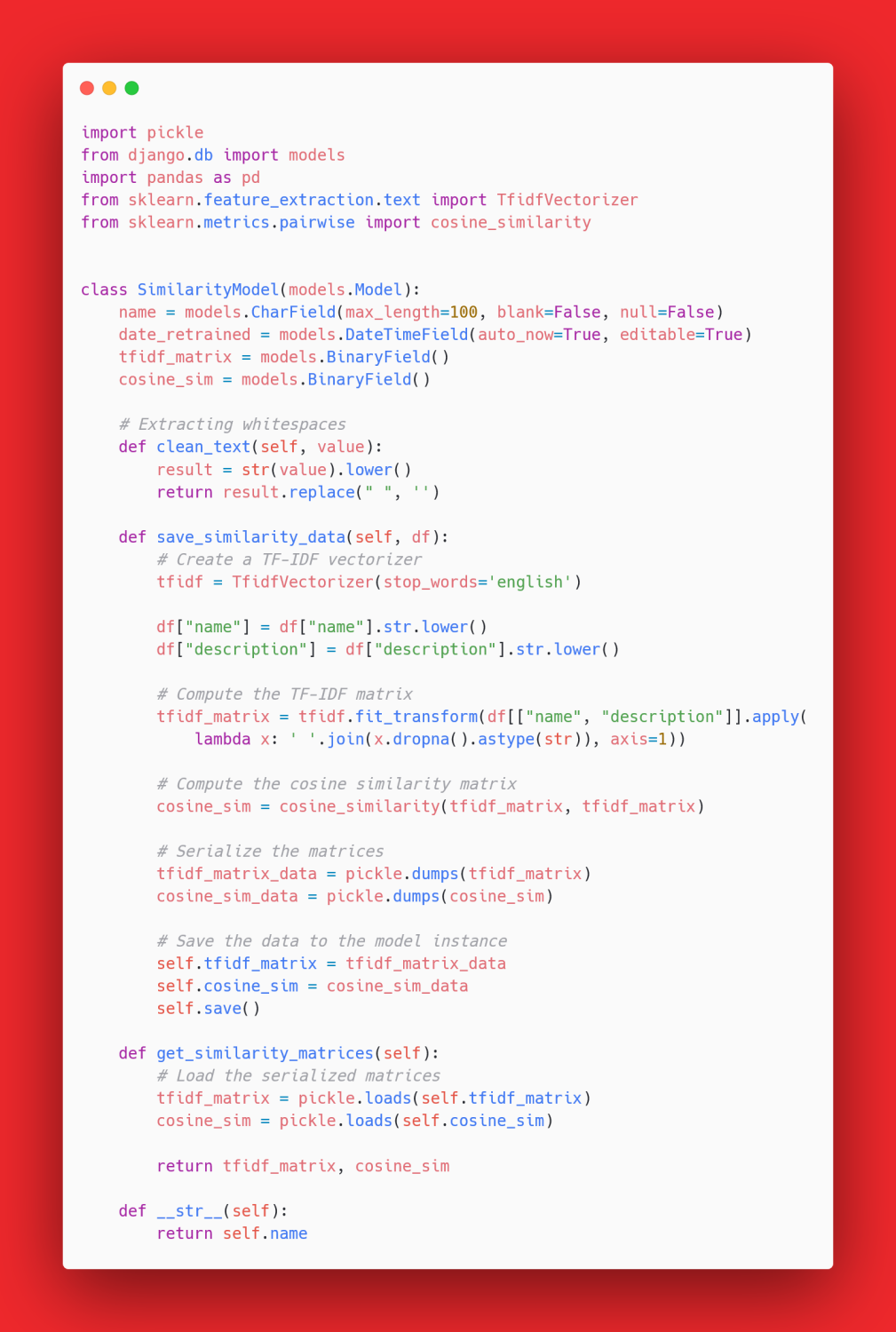
We then register the file in recommender/admin.py
from django.contrib import admin
from .models import SimilarityModel

admin.site.register(SimilarityModel)
Now in recommender/views.py we'll have (File Here)
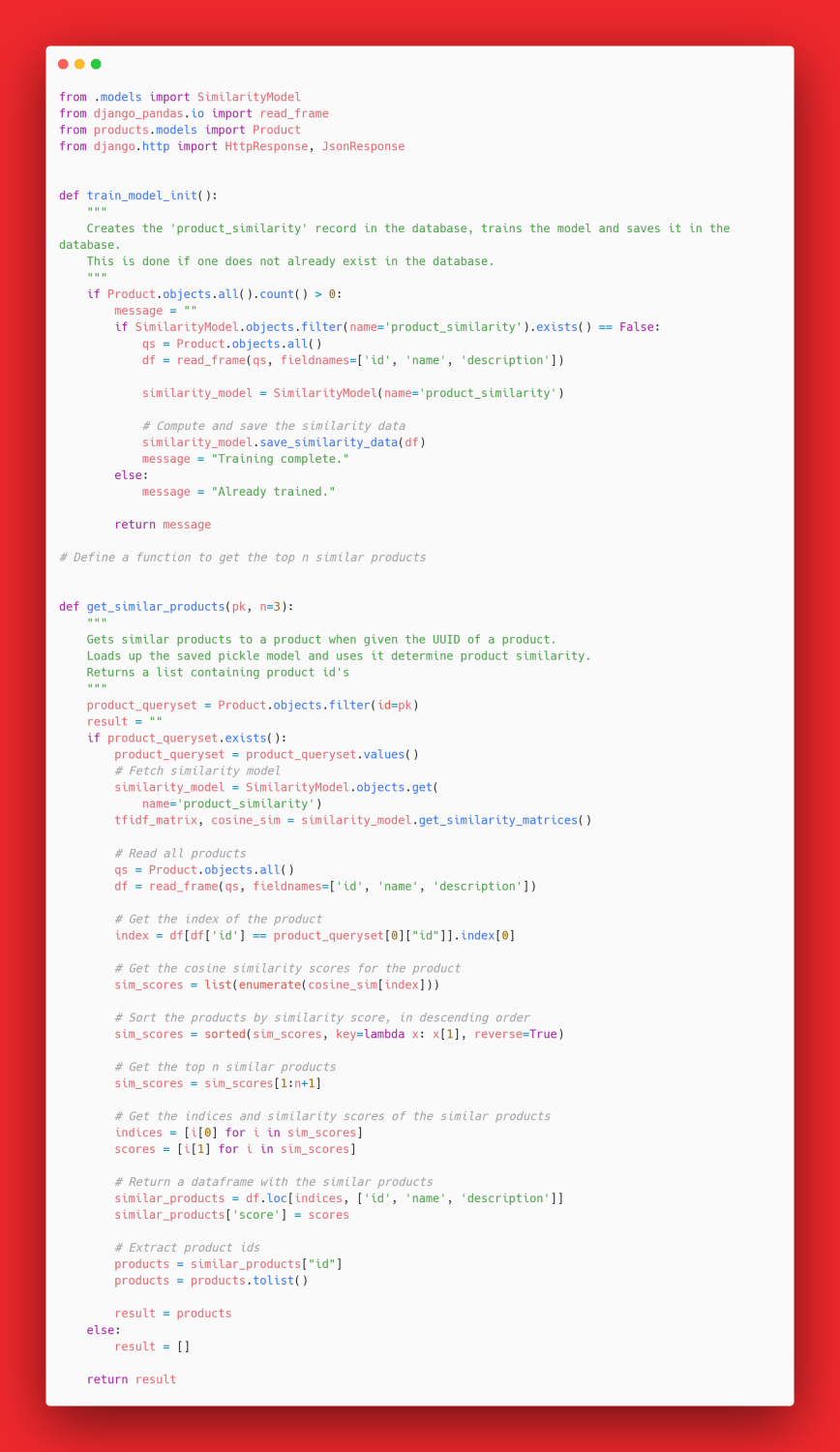
Finally for the recommender, we setup recommender/apps.py to ensure we train our models immediately our server is spawned on production (Learn more about ready() and Django Signals).
from django.apps import AppConfig

class RecommenderConfig(AppConfig):
    default_auto_field = 'django.db.models.BigAutoField'
    name = 'recommender'

    def ready(self):
        from .views import train_model_init
        train_model_init() # Handle initial setup of model
The end.🔚
Conclusion
This article primarily touched the fundamentals of building a full-scale content-based recommendation systems with Django. View the Completed Project to understand more how the various apps within the Django project communicate and interact.
Extra Resources
- Learn more about TF-IDF Vectorizer
- Learn more about Cosine Similarity
- Learn more about Content Based Recommendation Systems - Practical
- View the Github Repository Here
- Learn more about Content Based Recommendation Systems - Theory